



If you spend a fair amount of time in nature, you've probably already heard the phrase "leave no trace". What does it mean? These are the principles we should follow to better enjoy and protect our natural spaces.
Every year, millions of Europeans grab their backpacks and head out to discover the wilderness. This love of nature can have a significant impact on the environment… Waste, invasive species, disturbed wildlife, trail erosion, polluted water sources, etc. are all factors that threaten this environment. While most of us have no intention of damaging nature, we may sometimes lack the knowledge needed to preserve it. Or perhaps we don't always behave in the right way.
Associations such as Mountain Wilderness, one of our partners, strive to keep wilderness areas intact. But everyone's efforts are needed to achieve results.
Who do these principles apply to?
While the principles of Leave no trace are becoming basic rules for experienced hikers who generally camp in remote locations ("backcountry"), these rules also apply to others who prefer more accessible locations ("frontcountry").
Backcountry zones are areas that are difficult to access, such as forests or mountains for example. Frontcountry zones refer to areas accessible by car such as certain parks, campsites, etc., more frequently visited by walkers and their dogs, families organising a picnic, runners or car campers.
The 7 principles of "leave no trace"
- Plan ahead and prepare.
- Travel and camp on durable and designated surfaces.
- Dispose of waste properly and sustainably.
- Leave nature as you find it.
- Minimise the impact of your campfire (be careful with fire…).
- Respect wildlife.
- Be considerate of other hikers.
Plan ahead and prepare

The less prepared you are, the more likely you are to encounter minor problems. A lack of preparation can put you in situations where you are forced to make poor decisions.
So how should you prepare…? Research your destination and pack your bag wisely.
- Find out about the specific regulations covering the area or areas you plan to visit.
- Anticipate extreme weather, unexpected events and emergencies.
- Plan your outing or trip by avoiding peak periods.
- Travel in small groups if possible. Even consider splitting your larger group into several smaller ones.
- Double-check the amount of food to avoid waste.
- Use a map and compass.
Travel and camp on durable and designated surfaces
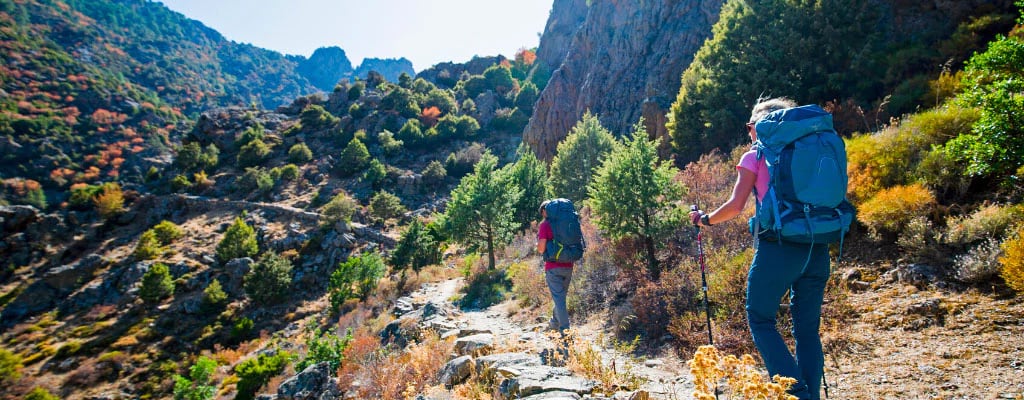
If you want to stop for a picnic or to camp, always look for a sufficiently "resilient" spot. Ideal surfaces are trails, campsites, rocks, gravel, grassy lawns or snow.
In popular areas, whether frontcountry or backcountry:
- Try to prioritise existing campsites.
- Camp at least 60 metres from lakes and waterways.
- Keep your campsite small. Concentrate most of your activities where vegetation is absent or less present.
- Walk in single file in the middle of the trail, even in the case of puddles or mud. This will prevent you from trampling the surrounding nature.
In wild and untouched areas:
- Spread out your footprints to avoid creating new "artificial" areas and new trails.
- Avoid settling in recently used spots where the impact on nature has already begun. Allow it time to recover.
Dispose of waste properly

These principles apply to everything, from human waste to rinse water.
- Whatever you take out of your bag, take back with you. When leaving, inspect your campsite for waste of all kinds, including food. Take everything with you and leave the place cleaner than you found it on arrival.
- Deposit solid waste in holes dug 15 to 20 centimetres deep, and at least 60 metres from water sources, campsites and trails. Fill in and cover the hole when finished.
- Take toilet paper and hygiene products back with you.
- For washing yourself and your dishes, the same applies. At least 60 metres from lakes or water sources. Also use small amounts of biodegradable soap and disperse the waste water.
Leave nature as you find it
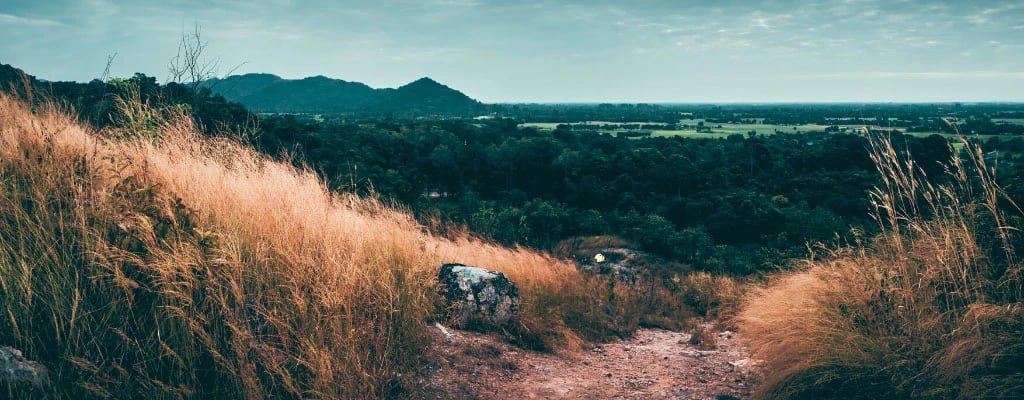
The saying "Take only photographs, leave only footprints" always applies. However, try to leave as few footprints as possible… That would be even better!
- Preserve the past: Examine - but do not touch - historical and cultural artefacts.
- Leave rocks, plants and other natural objects where you found them.
- Avoid introducing or transporting foreign species: Clean the soles of your boots, the hull of your kayak and the tyres of your bike between each trip.
- Do not build structures or dig trenches.
Minimise the impact of your campfire
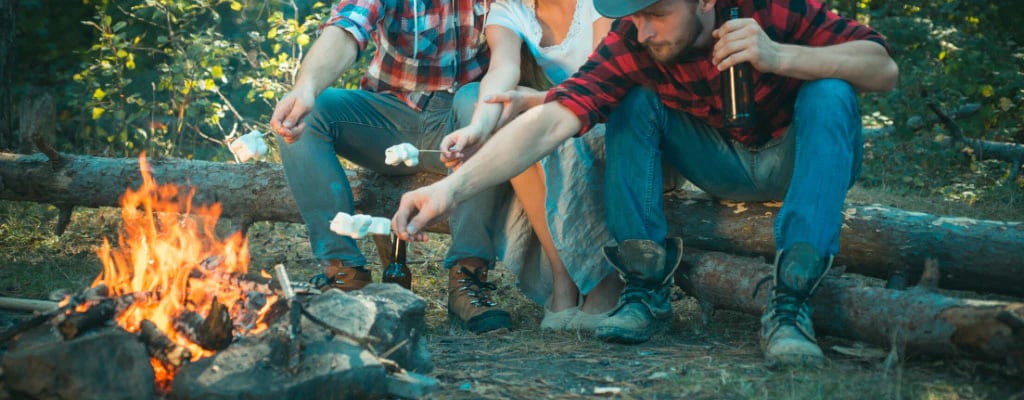
The campfire is a well-known ritual that has existed forever. But it can also be extremely destructive. A cooking stove and a lantern for light are wiser choices. Even better, let your eyes adjust to the darkness and you'll find that the night isn't so dark after all. Weather permitting, you'll be able to enjoy a magnificent starry sky.
Respect wildlife
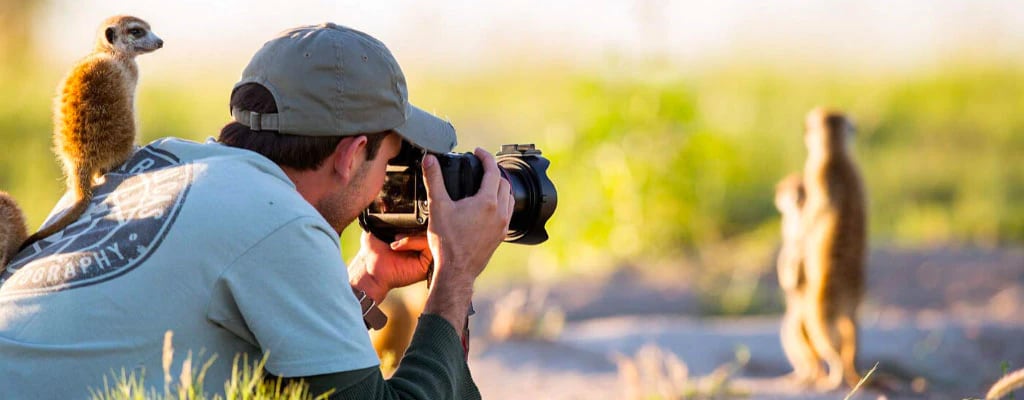
Above all, do not approach animals. Learn to master the zoom on your camera, bring a good pair of binoculars, and both you and these mysterious creatures will get much more out of this unexpected encounter.
- Observe animals from a distance. Do not follow or approach them.
- Never feed animals. This can damage their health, alter their natural behaviours, and therefore expose them to predators and other dangers.
- Protect animals by storing your food and waste wisely.
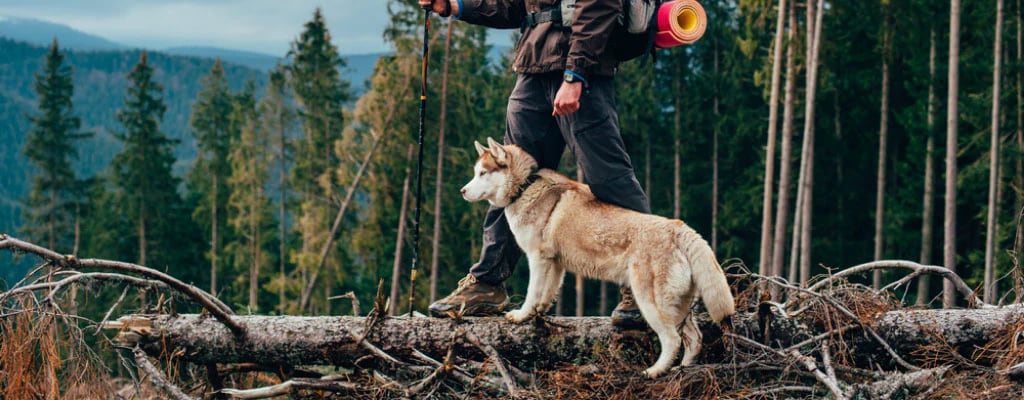
- Keep your pets under control, or leave them at home.
- Avoid heading into the wilderness during sensitive periods: rutting, nesting, birthing or winter (hibernation).
Be considerate of other hikers
"Treat others as you would like to be treated" is a fundamental rule that applies here too.
- Respect other visitors by allowing them to enjoy their own experience.
- Be courteous. Yield the trail to other hikers along your way.
- Step to the side, downhill, when you encounter a rider and their horse.
- Move away from the trail when taking a break or setting up camp.
- Let the sounds of nature take over… Speak quietly and avoid unnecessary noise.
Leaving no trace is not the easiest thing to plan for on your adventures. Nevertheless, the simple habits outlined above will help preserve the nature we love so much. And will allow us all to continue enjoying our favourite activities with respect for others and our planet.

How to leave no trace